Buy cetatenie-primesc.eu ?
We are moving the project
cetatenie-primesc.eu .
Are you interested in purchasing the domain
cetatenie-primesc.eu ?
domain@kv-gmbh.de · 0541-91531010
Buy cetatenie-primesc.eu ?
What exactly are phospholipids?
Phospholipids are a class of lipids that are a major component of cell membranes. They consist of a hydrophilic (water-attracting) head and two hydrophobic (water-repelling) tails. This unique structure allows phospholipids to form a bilayer in the cell membrane, with the hydrophilic heads facing the aqueous environment inside and outside the cell, and the hydrophobic tails facing each other in the middle of the membrane. This structure provides the cell membrane with its characteristic flexibility and selective permeability. **
What properties do phospholipids possess?
Phospholipids are a class of lipids that possess both hydrophilic (water-attracting) and hydrophobic (water-repelling) properties. This dual nature allows phospholipids to form the basic structure of cell membranes, with the hydrophilic head facing the watery environment and the hydrophobic tails facing inward. This arrangement creates a barrier that separates the interior of the cell from its external environment. Additionally, phospholipids are amphipathic, meaning they have both polar and nonpolar regions, which gives them the ability to self-assemble into bilayers and vesicles. **


Similar search terms for Phospholipids
Top-Angebote
Products related to Phospholipids:
-
Baby Trend Passport Carriage Stroller, Ultra BlackWhether it's cozy or time for a stroll, Baby Trend's got you covered! The Passport Carriage Stroller offers a carriage mode option that allows your baby to have the comfort of an in-home carriage wherever you go.154,99 $*Shipping: 0,00 $Secure redirect to the provider
-
Women's Women's Snoopy Passport Bag Travel Crossbody Purse Woodstock Passport Bag Gray by Peanuts in Gray (Size ONE SIZE)This officially licensed Peanuts Snoopy crossbody bag features a playful all-over print of Snoopy and Woodstock on a durable grey fabric, making it an essential travel purse for any fan. The compact and lightweight design functions perfectly as a...24,00 $*Shipping: 0,00 $Secure redirect to the provider
-
WD My Passport Portable External SSD - 500GB, Space GreyThe WD My Passport portable SSD is a 500 GB external NVMe solid state drive in a space grey metal casing. It connects over USB-C (USB 3.2 Gen 2, up to 10 Gbps) with read speeds of up to 1,050 MB/s and write speeds of up to 1,000 MB/s.256-bit AES hardware encryption with password protectionShock, vibration and drop resistantSupplied with a USB-C to USB-C cable and a USB-C to USB-A adapter5-year limited manufacturer warranty183,49 £*Shipping: 0,00 £Secure redirect to the provider
-
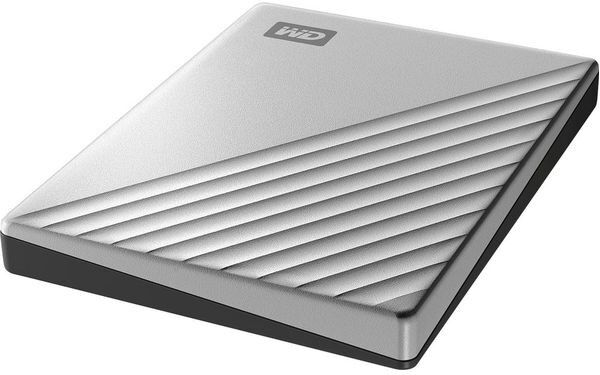
WD My Passport Ultra Portable Hard Drive - 2 TB, SilverWD My Passport Ultra 2TB portable hard drive (WDBC3C0020BSL-WESN) in a silver metal finish, USB-C ready with a USB-A adapter supplied, with WD Backup software, password protection and hardware encryption. 3-year manufacturer warranty.205,99 £*Shipping: 0,00 £Secure redirect to the provider


-
What are the components of phospholipids?
Phospholipids are composed of a glycerol molecule, two fatty acid chains, a phosphate group, and a polar head group. The fatty acid chains are hydrophobic, meaning they repel water, while the phosphate group and polar head group are hydrophilic, meaning they attract water. This unique structure allows phospholipids to form the lipid bilayer that makes up cell membranes, with the hydrophobic tails facing inward and the hydrophilic heads facing outward towards the water. **
-
Why do phospholipids form a double layer?
Phospholipids form a double layer, known as a lipid bilayer, because of their amphipathic nature. This means that they have both hydrophilic (water-attracting) and hydrophobic (water-repelling) regions. When phospholipids are placed in an aqueous environment, the hydrophobic tails naturally orient themselves away from the water, while the hydrophilic heads interact with the water. This arrangement allows phospholipids to form a stable barrier, such as the cell membrane, with the hydrophobic tails sandwiched between two layers of hydrophilic heads. This lipid bilayer structure provides a selective barrier that controls the movement of molecules in and out of the cell. **
-
What is the difference between phospholipids and triglycerides?
Phospholipids and triglycerides are both types of lipids, but they have different structures and functions. Phospholipids have two fatty acid chains and a phosphate group, which allows them to form cell membranes and act as emulsifiers. Triglycerides, on the other hand, have three fatty acid chains and are used primarily as energy storage molecules. Additionally, triglycerides are hydrophobic, while phospholipids have both hydrophobic and hydrophilic regions, making them amphipathic molecules. **
-
Why do phospholipids have different structures in water?
Phospholipids have different structures in water because of their amphiphilic nature. This means that they have both hydrophilic (water-attracting) and hydrophobic (water-repelling) regions. In water, phospholipids arrange themselves in a bilayer with the hydrophilic heads facing the water and the hydrophobic tails facing each other. This arrangement allows phospholipids to form cell membranes and other structures that are essential for the functioning of living organisms. The different structures of phospholipids in water allow them to fulfill their roles in maintaining the integrity and function of biological membranes. **


How do phospholipids from plant and animal sources differ?
Phospholipids from plant and animal sources differ in their fatty acid composition. Plant phospholipids typically contain higher levels of unsaturated fatty acids, such as linoleic and linolenic acids, while animal phospholipids contain higher levels of saturated fatty acids, such as palmitic and stearic acids. This difference in fatty acid composition can affect the physical properties of the phospholipids, such as their fluidity and melting point. Additionally, plant phospholipids may also contain unique fatty acids, such as alpha-linolenic acid, which are not typically found in animal phospholipids. **
In the double layer of phospholipids, what fluid is present?
In the double layer of phospholipids, the fluid present is known as the lipid bilayer. This lipid bilayer is composed of two layers of phospholoids, with the hydrophilic (water-attracting) heads facing outward and the hydrophobic (water-repelling) tails facing inward. This arrangement creates a fluid and flexible barrier that surrounds the cell and regulates the movement of molecules in and out of the cell. The fluidity of the lipid bilayer allows for the dynamic movement of proteins and other molecules within the cell membrane. **
Top-Angebote
Products related to Phospholipids:
-
Baby Trend Passport Carriage Stroller, Ultra BlackWhether it's cozy or time for a stroll, Baby Trend's got you covered! The Passport Carriage Stroller offers a carriage mode option that allows your baby to have the comfort of an in-home carriage wherever you go.154,99 $*Shipping: 0,00 $Secure redirect to the provider
-
Women's Women's Snoopy Passport Bag Travel Crossbody Purse Woodstock Passport Bag Gray by Peanuts in Gray (Size ONE SIZE)This officially licensed Peanuts Snoopy crossbody bag features a playful all-over print of Snoopy and Woodstock on a durable grey fabric, making it an essential travel purse for any fan. The compact and lightweight design functions perfectly as a...24,00 $*Shipping: 0,00 $Secure redirect to the provider
-
What exactly are phospholipids?
Phospholipids are a class of lipids that are a major component of cell membranes. They consist of a hydrophilic (water-attracting) head and two hydrophobic (water-repelling) tails. This unique structure allows phospholipids to form a bilayer in the cell membrane, with the hydrophilic heads facing the aqueous environment inside and outside the cell, and the hydrophobic tails facing each other in the middle of the membrane. This structure provides the cell membrane with its characteristic flexibility and selective permeability. **
-
What properties do phospholipids possess?
Phospholipids are a class of lipids that possess both hydrophilic (water-attracting) and hydrophobic (water-repelling) properties. This dual nature allows phospholipids to form the basic structure of cell membranes, with the hydrophilic head facing the watery environment and the hydrophobic tails facing inward. This arrangement creates a barrier that separates the interior of the cell from its external environment. Additionally, phospholipids are amphipathic, meaning they have both polar and nonpolar regions, which gives them the ability to self-assemble into bilayers and vesicles. **
-
What are the components of phospholipids?
Phospholipids are composed of a glycerol molecule, two fatty acid chains, a phosphate group, and a polar head group. The fatty acid chains are hydrophobic, meaning they repel water, while the phosphate group and polar head group are hydrophilic, meaning they attract water. This unique structure allows phospholipids to form the lipid bilayer that makes up cell membranes, with the hydrophobic tails facing inward and the hydrophilic heads facing outward towards the water. **
-
Why do phospholipids form a double layer?
Phospholipids form a double layer, known as a lipid bilayer, because of their amphipathic nature. This means that they have both hydrophilic (water-attracting) and hydrophobic (water-repelling) regions. When phospholipids are placed in an aqueous environment, the hydrophobic tails naturally orient themselves away from the water, while the hydrophilic heads interact with the water. This arrangement allows phospholipids to form a stable barrier, such as the cell membrane, with the hydrophobic tails sandwiched between two layers of hydrophilic heads. This lipid bilayer structure provides a selective barrier that controls the movement of molecules in and out of the cell. **
Similar search terms for Phospholipids
-
WD My Passport Portable External SSD - 500GB, Space GreyThe WD My Passport portable SSD is a 500 GB external NVMe solid state drive in a space grey metal casing. It connects over USB-C (USB 3.2 Gen 2, up to 10 Gbps) with read speeds of up to 1,050 MB/s and write speeds of up to 1,000 MB/s.256-bit AES hardware encryption with password protectionShock, vibration and drop resistantSupplied with a USB-C to USB-C cable and a USB-C to USB-A adapter5-year limited manufacturer warranty183,49 £*Shipping: 0,00 £Secure redirect to the provider
-
WD My Passport Ultra Portable Hard Drive - 2 TB, SilverWD My Passport Ultra 2TB portable hard drive (WDBC3C0020BSL-WESN) in a silver metal finish, USB-C ready with a USB-A adapter supplied, with WD Backup software, password protection and hardware encryption. 3-year manufacturer warranty.205,99 £*Shipping: 0,00 £Secure redirect to the provider
-
What is the difference between phospholipids and triglycerides?
Phospholipids and triglycerides are both types of lipids, but they have different structures and functions. Phospholipids have two fatty acid chains and a phosphate group, which allows them to form cell membranes and act as emulsifiers. Triglycerides, on the other hand, have three fatty acid chains and are used primarily as energy storage molecules. Additionally, triglycerides are hydrophobic, while phospholipids have both hydrophobic and hydrophilic regions, making them amphipathic molecules. **
-
Why do phospholipids have different structures in water?
Phospholipids have different structures in water because of their amphiphilic nature. This means that they have both hydrophilic (water-attracting) and hydrophobic (water-repelling) regions. In water, phospholipids arrange themselves in a bilayer with the hydrophilic heads facing the water and the hydrophobic tails facing each other. This arrangement allows phospholipids to form cell membranes and other structures that are essential for the functioning of living organisms. The different structures of phospholipids in water allow them to fulfill their roles in maintaining the integrity and function of biological membranes. **
-
How do phospholipids from plant and animal sources differ?
Phospholipids from plant and animal sources differ in their fatty acid composition. Plant phospholipids typically contain higher levels of unsaturated fatty acids, such as linoleic and linolenic acids, while animal phospholipids contain higher levels of saturated fatty acids, such as palmitic and stearic acids. This difference in fatty acid composition can affect the physical properties of the phospholipids, such as their fluidity and melting point. Additionally, plant phospholipids may also contain unique fatty acids, such as alpha-linolenic acid, which are not typically found in animal phospholipids. **
-
In the double layer of phospholipids, what fluid is present?
In the double layer of phospholipids, the fluid present is known as the lipid bilayer. This lipid bilayer is composed of two layers of phospholoids, with the hydrophilic (water-attracting) heads facing outward and the hydrophobic (water-repelling) tails facing inward. This arrangement creates a fluid and flexible barrier that surrounds the cell and regulates the movement of molecules in and out of the cell. The fluidity of the lipid bilayer allows for the dynamic movement of proteins and other molecules within the cell membrane. **
* All prices are inclusive of VAT and, if applicable, plus shipping costs. The offer information is based on the details provided by the respective shop and is updated through automated processes. Real-time updates do not occur, so deviations can occur in individual cases. ** Note: Parts of this content were created by AI.