Buy cetatenie-primesc.eu ?
We are moving the project
cetatenie-primesc.eu .
Are you interested in purchasing the domain
cetatenie-primesc.eu ?
domain@kv-gmbh.de · 0541-91531010
Buy cetatenie-primesc.eu ?
Can a starter motor freeze?
Yes, a starter motor can freeze in extremely cold temperatures. When the temperature drops significantly, the lubricants inside the starter motor can thicken or freeze, making it difficult for the motor to function properly. This can result in the starter motor failing to engage or turn over the engine. To prevent this issue, it is important to use the appropriate type of oil and ensure that the vehicle is kept in a warm environment during cold weather. **
Does the starter motor not receive power?
If the starter motor is not receiving power, it could be due to a few different issues. First, check the battery to ensure it is fully charged and functioning properly. If the battery is fine, then the issue may be with the starter solenoid or the ignition switch. It's also possible that there is a problem with the wiring or connections leading to the starter motor. It's best to have a professional mechanic diagnose and repair the issue to ensure the problem is properly addressed. **
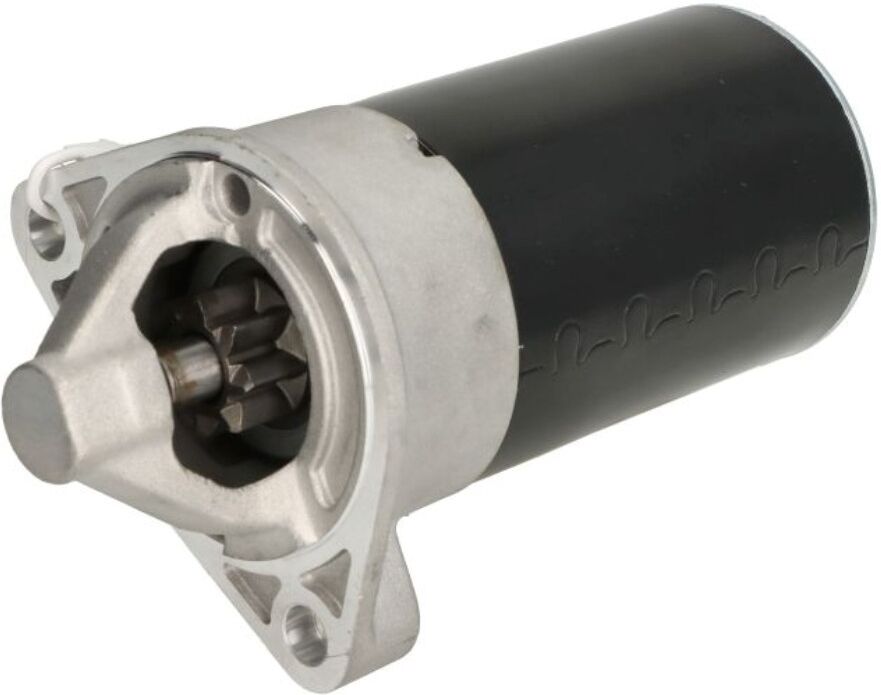

Similar search terms for PULSAR-PSR20184-Starter-motor
Top-Angebote
Products related to PULSAR-PSR20184-Starter-motor:
-
PULSAR PSR20037 Starter motorVoltage [V]: 12; Rated Power [kW]: 1,5; Number of mounting bores: 3; Number of threaded holes: 2; Number of Teeth: 12, 11; Clamp: 50; Rotation Direction: Clockwise rotation; Pinion Rest Position [mm]: 13,93; Starter Type: Self-supporting; Thread Size 1: M8x1.25; Thread Size 2: M8x1.25; Bore Diameter [mm]: 9; Bore Ø 4 [mm]: 9; Length [mm]: 221; Position/Degree: links; Mounting Angle [degrees]: 38; Jaw opening angle measurement [Degree]: 63; Mounting bore angle measurement [degree]: 38; TecDoc Engine Number: 25092, 25690, 27064, 26986, 23773, 19913, 41050, 45468, 35775, 35776, 45594, 23537, 36833, 19824, 17509, 26421, 25061, 45129, 31490, 26985, 32307, 28622, 29699, 31068, 31071, 25094, 29557; Construction Year from: 09/2010, 10/2010, 09/2009, 09/2003, 02/2004, 05/2007, 06/2007, 05/2006, 05/2008, 07/2010, 01/2008, 01/2010, 04/2010, 06/2010, 03/2009, 03/2012, 12/2010, 03/2015, 03/2014, 10/2015; Construction Year to: 12/2016, 04/2016, 12/2015, 08/2015, 12/2012, 04/2015, 02/2009, 08/2009, 09/2009, 08/2005, 12/2006, 04/2010, 12/2008, 01/2010, 01/2011, 07/2009, 12/2010, 01/2009, 05/2009, 08/2007, 04/2011, 06/2015, 02/2011, 03/2011, 06/2011, 03/2010, 11/2011, 02/2012, 03/2013, 04/2012, 12/2011, 07/2013, 01/2014, 12/2009, 05/2013, 12/2018, 09/2014, 06/2013, 03/2015, 12/2017, 09/2020, 08/2022, 02/2021; Engine Code: 9HZ<DV6TED4>, 9HY<DV6TED4>, 9HX<DV6ATED4>, 9HV<DV6TED4>, 9HF<DV6DTED>, 9HG<DV6C M>, 9HL<DV6C>, 9HD<DV6C>, 9HR<DV6C>, 9HT<DV6BUTED4>, BHZ<DV6FC>; Vehicle type: <A7>, <T8>; Vehicle Equipment: for vehicles without start-stop function; Manufacturer Restriction: VALEO, MITSUBISHI89,99 £*Shipping: 8,45 £Secure redirect to the provider
-
PULSAR PSR20039 Starter motorVoltage [V]: 12; Rated Power [kW]: 0,9; Number of mounting bores: 2; Number of threaded holes: 0; Number of Teeth: 9; Clamp: 50, 30; Flange Diameter [mm]: 68; Rotation Direction: Clockwise rotation; Pinion Rest Position [mm]: 18,3; Starter Type: Self-supporting; Bore Diameter [mm]: 8,5; Bore Diameter 2 [mm]: 8,5; Length [mm]: 203; Position/Degree: links; Mounting Angle [degrees]: 75; Jaw opening angle measurement [Degree]: 100; Mounting bore angle measurement [degree]: 75; Construction Year to: 08/2003; Engine Number to: 19P0089390,49 £*Shipping: 8,45 £Secure redirect to the provider
-
PULSAR PSR20042 Starter motorVoltage [V]: 12; Rated Power [kW]: 1,4; Number of mounting bores: 0; Number of threaded holes: 3; Number of Teeth: 12; Clamp: 50, 30; Flange Diameter [mm]: 65; Rotation Direction: Clockwise rotation; Pinion Rest Position [mm]: -1,4; Starter Type: Self-supporting; Thread Size: M10; Thread Size 1: M10x1.5; Thread Size 2: M10x1.5; Length [mm]: 216; Position/Degree: rechts; Mounting Angle [degrees]: 57; Jaw opening angle measurement [Degree]: 142; Mounting bore angle measurement [degree]: 57; TecDoc Engine Number: 11428, 17498, 16341, 16347, 16363, 16358, 21138; Construction Year from: 06/1997, 08/2000, 04/1999, 03/1999, 10/1999; Construction Year to: 02/1999, 12/2007, 01/2003, 04/2003, 10/2002; Engine Code: F9Q 782, F9Q 796, F9Q 746, F9Q 738, F9Q 740, F9Q 748, F9Q 73384,49 £*Shipping: 8,45 £Secure redirect to the provider
-
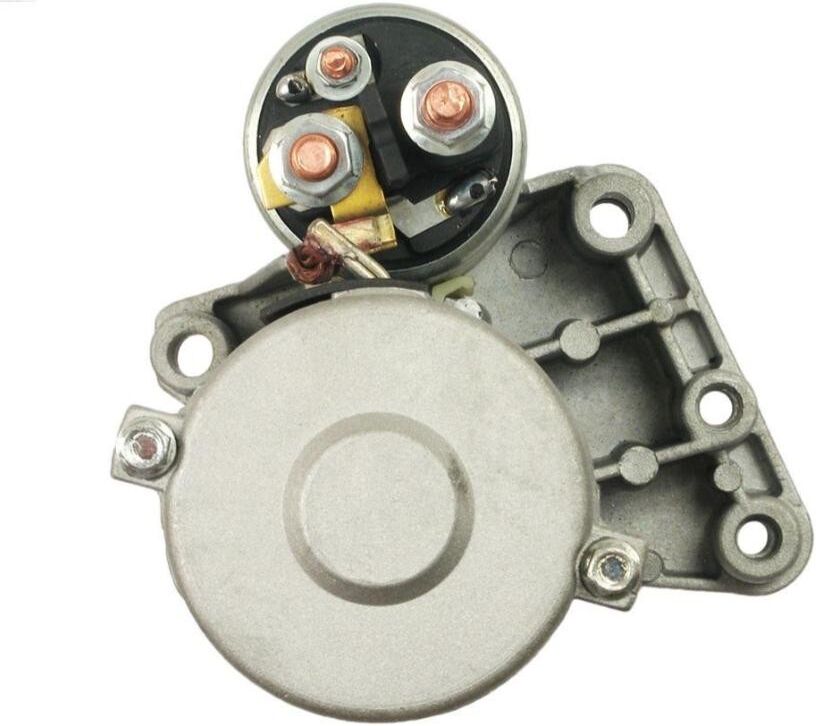
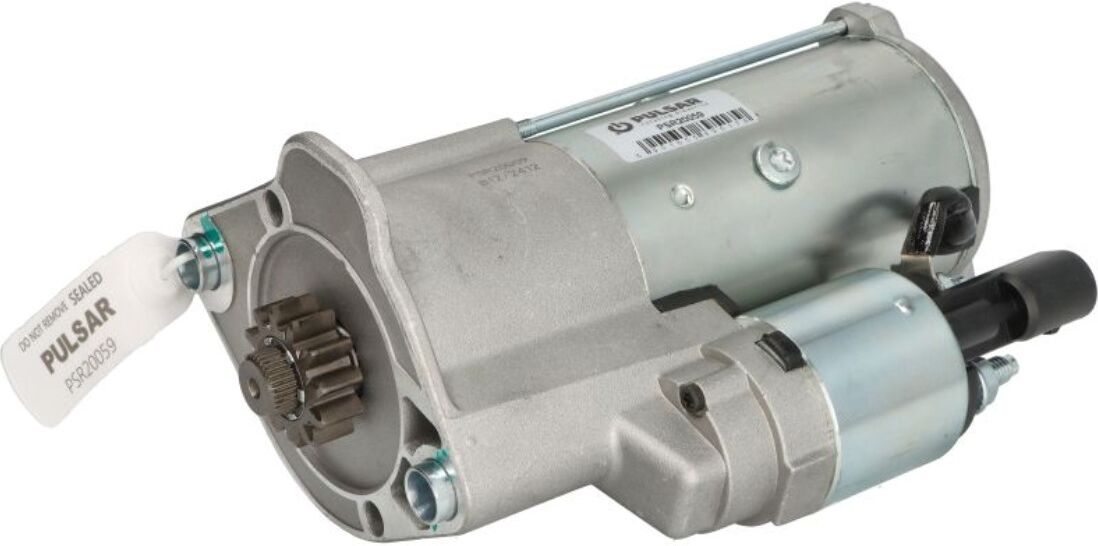
PULSAR PSR20059 Starter motorVoltage [V]: 12; Rated Power [kW]: 2,2; Number of Teeth: 12; Number of mounting bores: 2; Number of threaded holes: 1; Flange Diameter [mm]: 67; Plug Type ID: B+(M8)/50(Jet); Connector Shape: round; Rotation Direction: Clockwise rotation; Quantity Unit: Piece; TecDoc Engine Number: 25415, 25416, 25417, 25418, 26330, 24403, 24402, 26996; Vehicle Equipment: for vehicles without start-stop function114,99 £*Shipping: 8,45 £Secure redirect to the provider


-
Is the starter motor defective on the scooter?
Without further information or inspection, it is difficult to determine if the starter motor is defective on the scooter. Common signs of a defective starter motor include a clicking sound when trying to start the scooter, a slow cranking or no cranking at all, or a burning smell when attempting to start the scooter. It is best to have a professional mechanic inspect the scooter to accurately diagnose the issue with the starter motor. **
-
What to do if the starter motor keeps turning?
If the starter motor keeps turning after the engine has started, it could be a sign of a faulty ignition switch or a sticking starter solenoid. In this case, it is important to turn off the ignition immediately to prevent damage to the starter motor. It is recommended to have the vehicle inspected by a qualified mechanic to diagnose and repair the issue. Continuing to operate the vehicle with a malfunctioning starter motor can lead to further damage and potential safety hazards. **
-
What is a pulsar star?
A pulsar star is a highly magnetized, rotating neutron star that emits beams of electromagnetic radiation out of its magnetic poles. These beams of radiation are only visible when they are pointing towards Earth, causing the star to appear to pulse or blink on and off as it rotates. Pulsars are incredibly dense and compact, with a mass greater than that of the Sun packed into a sphere only about 10-20 kilometers in diameter. They are formed from the remnants of massive stars that have exploded in supernova events. **
-
How is a pulsar dissected?
A pulsar is dissected by studying its electromagnetic radiation emissions across different wavelengths, such as radio, X-ray, and gamma-ray. Scientists analyze the pulsar's pulse profile, period, and dispersion measure to understand its rotation rate, magnetic field strength, and distance. By observing how these properties change over time, researchers can gain insights into the pulsar's internal structure, composition, and evolution. Additionally, studying the pulsar's surrounding environment and any companion objects can provide further clues about its formation and dynamics. **

Why does a three-phase electric motor not require a starter?
A three-phase electric motor does not require a starter because the three-phase power supply itself provides the necessary rotating magnetic field to start the motor. The three-phase power creates a rotating magnetic field that induces currents in the motor windings, causing the rotor to start rotating. This eliminates the need for a separate starter mechanism, simplifying the motor design and reducing maintenance requirements. Additionally, three-phase motors are more efficient and reliable compared to single-phase motors, making them suitable for a wide range of industrial applications. **
How do you test the starter motor in the removed state?
To test the starter motor in the removed state, you can use a multimeter to check the continuity of the motor's windings. You can also apply direct power to the starter motor to see if it spins freely and without any unusual noises. Additionally, you can visually inspect the starter motor for any signs of damage or wear that may indicate it needs to be replaced. **
Top-Angebote
Products related to PULSAR-PSR20184-Starter-motor:
-
PULSAR PSR20015 Starter motorVoltage [V]: 12; Rated Power [kW]: 2,2; Number of Teeth: 11; Number of mounting bores: 4, 3; Number of threaded holes: 2; Flange Diameter [mm]: 68; Plug Type ID: B+(M8), 50(M5); Rotation Direction: Clockwise rotation; Quantity Unit: Piece; TecDoc Engine Number: 25092, 19913, 35775, 28551, 29557, 25093, 27968, 29699, 25096; Construction Year from: 10/2010, 05/2006, 05/2010, 02/2007, 06/2007, 05/2008, 01/2010, 04/2010, 10/2008; usable for vehicles with starter output [kW]: 2; Manufacturer Restriction: VALEO; Construction Year to: 02/2012, 08/2007, 12/2006, 09/2010, 07/2010, 05/2009, 04/2008, 12/2011, 02/2011, 04/2011, 04/2010, 12/2010; Engine Code: 9HF<DV6DTED>, 9HJ<DV6DTED M>; Transmission Type: Manual Transmission; Vehicle Equipment: for vehicles without start-stop function107,99 £*Shipping: 8,45 £Secure redirect to the provider
-
PULSAR PSR20037 Starter motorVoltage [V]: 12; Rated Power [kW]: 1,5; Number of mounting bores: 3; Number of threaded holes: 2; Number of Teeth: 12, 11; Clamp: 50; Rotation Direction: Clockwise rotation; Pinion Rest Position [mm]: 13,93; Starter Type: Self-supporting; Thread Size 1: M8x1.25; Thread Size 2: M8x1.25; Bore Diameter [mm]: 9; Bore Ø 4 [mm]: 9; Length [mm]: 221; Position/Degree: links; Mounting Angle [degrees]: 38; Jaw opening angle measurement [Degree]: 63; Mounting bore angle measurement [degree]: 38; TecDoc Engine Number: 25092, 25690, 27064, 26986, 23773, 19913, 41050, 45468, 35775, 35776, 45594, 23537, 36833, 19824, 17509, 26421, 25061, 45129, 31490, 26985, 32307, 28622, 29699, 31068, 31071, 25094, 29557; Construction Year from: 09/2010, 10/2010, 09/2009, 09/2003, 02/2004, 05/2007, 06/2007, 05/2006, 05/2008, 07/2010, 01/2008, 01/2010, 04/2010, 06/2010, 03/2009, 03/2012, 12/2010, 03/2015, 03/2014, 10/2015; Construction Year to: 12/2016, 04/2016, 12/2015, 08/2015, 12/2012, 04/2015, 02/2009, 08/2009, 09/2009, 08/2005, 12/2006, 04/2010, 12/2008, 01/2010, 01/2011, 07/2009, 12/2010, 01/2009, 05/2009, 08/2007, 04/2011, 06/2015, 02/2011, 03/2011, 06/2011, 03/2010, 11/2011, 02/2012, 03/2013, 04/2012, 12/2011, 07/2013, 01/2014, 12/2009, 05/2013, 12/2018, 09/2014, 06/2013, 03/2015, 12/2017, 09/2020, 08/2022, 02/2021; Engine Code: 9HZ<DV6TED4>, 9HY<DV6TED4>, 9HX<DV6ATED4>, 9HV<DV6TED4>, 9HF<DV6DTED>, 9HG<DV6C M>, 9HL<DV6C>, 9HD<DV6C>, 9HR<DV6C>, 9HT<DV6BUTED4>, BHZ<DV6FC>; Vehicle type: <A7>, <T8>; Vehicle Equipment: for vehicles without start-stop function; Manufacturer Restriction: VALEO, MITSUBISHI89,99 £*Shipping: 8,45 £Secure redirect to the provider
-
PULSAR PSR20039 Starter motorVoltage [V]: 12; Rated Power [kW]: 0,9; Number of mounting bores: 2; Number of threaded holes: 0; Number of Teeth: 9; Clamp: 50, 30; Flange Diameter [mm]: 68; Rotation Direction: Clockwise rotation; Pinion Rest Position [mm]: 18,3; Starter Type: Self-supporting; Bore Diameter [mm]: 8,5; Bore Diameter 2 [mm]: 8,5; Length [mm]: 203; Position/Degree: links; Mounting Angle [degrees]: 75; Jaw opening angle measurement [Degree]: 100; Mounting bore angle measurement [degree]: 75; Construction Year to: 08/2003; Engine Number to: 19P0089390,49 £*Shipping: 8,45 £Secure redirect to the provider
-
Can a starter motor freeze?
Yes, a starter motor can freeze in extremely cold temperatures. When the temperature drops significantly, the lubricants inside the starter motor can thicken or freeze, making it difficult for the motor to function properly. This can result in the starter motor failing to engage or turn over the engine. To prevent this issue, it is important to use the appropriate type of oil and ensure that the vehicle is kept in a warm environment during cold weather. **
-
Does the starter motor not receive power?
If the starter motor is not receiving power, it could be due to a few different issues. First, check the battery to ensure it is fully charged and functioning properly. If the battery is fine, then the issue may be with the starter solenoid or the ignition switch. It's also possible that there is a problem with the wiring or connections leading to the starter motor. It's best to have a professional mechanic diagnose and repair the issue to ensure the problem is properly addressed. **
-
Is the starter motor defective on the scooter?
Without further information or inspection, it is difficult to determine if the starter motor is defective on the scooter. Common signs of a defective starter motor include a clicking sound when trying to start the scooter, a slow cranking or no cranking at all, or a burning smell when attempting to start the scooter. It is best to have a professional mechanic inspect the scooter to accurately diagnose the issue with the starter motor. **
-
What to do if the starter motor keeps turning?
If the starter motor keeps turning after the engine has started, it could be a sign of a faulty ignition switch or a sticking starter solenoid. In this case, it is important to turn off the ignition immediately to prevent damage to the starter motor. It is recommended to have the vehicle inspected by a qualified mechanic to diagnose and repair the issue. Continuing to operate the vehicle with a malfunctioning starter motor can lead to further damage and potential safety hazards. **
Similar search terms for PULSAR-PSR20184-Starter-motor
-
PULSAR PSR20042 Starter motorVoltage [V]: 12; Rated Power [kW]: 1,4; Number of mounting bores: 0; Number of threaded holes: 3; Number of Teeth: 12; Clamp: 50, 30; Flange Diameter [mm]: 65; Rotation Direction: Clockwise rotation; Pinion Rest Position [mm]: -1,4; Starter Type: Self-supporting; Thread Size: M10; Thread Size 1: M10x1.5; Thread Size 2: M10x1.5; Length [mm]: 216; Position/Degree: rechts; Mounting Angle [degrees]: 57; Jaw opening angle measurement [Degree]: 142; Mounting bore angle measurement [degree]: 57; TecDoc Engine Number: 11428, 17498, 16341, 16347, 16363, 16358, 21138; Construction Year from: 06/1997, 08/2000, 04/1999, 03/1999, 10/1999; Construction Year to: 02/1999, 12/2007, 01/2003, 04/2003, 10/2002; Engine Code: F9Q 782, F9Q 796, F9Q 746, F9Q 738, F9Q 740, F9Q 748, F9Q 73384,49 £*Shipping: 8,45 £Secure redirect to the provider
-
PULSAR PSR20059 Starter motorVoltage [V]: 12; Rated Power [kW]: 2,2; Number of Teeth: 12; Number of mounting bores: 2; Number of threaded holes: 1; Flange Diameter [mm]: 67; Plug Type ID: B+(M8)/50(Jet); Connector Shape: round; Rotation Direction: Clockwise rotation; Quantity Unit: Piece; TecDoc Engine Number: 25415, 25416, 25417, 25418, 26330, 24403, 24402, 26996; Vehicle Equipment: for vehicles without start-stop function114,99 £*Shipping: 8,45 £Secure redirect to the provider
-
PULSAR PSR20061 Starter motorVoltage [V]: 12; Rated Power [kW]: 1,1; Number of mounting bores: 1; Number of threaded holes: 1; Number of Teeth: 9; Clamp: 50, 30; Flange Diameter [mm]: 64; Rotation Direction: Clockwise rotation; Pinion Rest Position [mm]: 23,8; Starter Type: Self-supporting; Thread Size 1: M8x1.25; Bore Diameter [mm]: 8,5; Length [mm]: 200; Position/Degree: rechts; Mounting Angle [degrees]: 79; Jaw opening angle measurement [Degree]: 79; Mounting bore angle measurement [degree]: 79; Construction Year to: 03/2010, 01/2012, 09/2006, 03/2009, 09/2007, 02/2009; Manufacturer Restriction: Bosch; Construction Year from: 09/2003, 01/2006, 06/2005, 03/200677,99 £*Shipping: 8,45 £Secure redirect to the provider
-
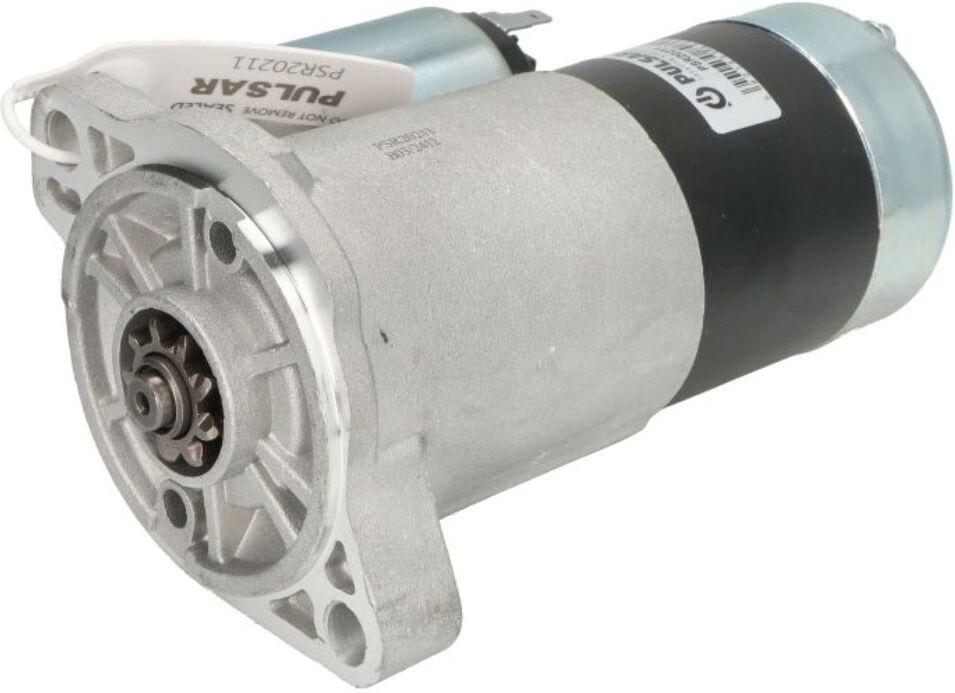
PULSAR PSR20211 Starter motorVoltage [V]: 12; Rated Power [kW]: 1,2; Number of Teeth: 9; Number of mounting bores: 2; Flange Diameter [mm]: 82; Plug Type ID: B+(M8)/50(Jet), Plug; Connector Shape: rectangular; Rotation Direction: Clockwise rotation; Quantity Unit: Piece95,49 £*Shipping: 8,45 £Secure redirect to the provider
-
What is a pulsar star?
A pulsar star is a highly magnetized, rotating neutron star that emits beams of electromagnetic radiation out of its magnetic poles. These beams of radiation are only visible when they are pointing towards Earth, causing the star to appear to pulse or blink on and off as it rotates. Pulsars are incredibly dense and compact, with a mass greater than that of the Sun packed into a sphere only about 10-20 kilometers in diameter. They are formed from the remnants of massive stars that have exploded in supernova events. **
-
How is a pulsar dissected?
A pulsar is dissected by studying its electromagnetic radiation emissions across different wavelengths, such as radio, X-ray, and gamma-ray. Scientists analyze the pulsar's pulse profile, period, and dispersion measure to understand its rotation rate, magnetic field strength, and distance. By observing how these properties change over time, researchers can gain insights into the pulsar's internal structure, composition, and evolution. Additionally, studying the pulsar's surrounding environment and any companion objects can provide further clues about its formation and dynamics. **
-
Why does a three-phase electric motor not require a starter?
A three-phase electric motor does not require a starter because the three-phase power supply itself provides the necessary rotating magnetic field to start the motor. The three-phase power creates a rotating magnetic field that induces currents in the motor windings, causing the rotor to start rotating. This eliminates the need for a separate starter mechanism, simplifying the motor design and reducing maintenance requirements. Additionally, three-phase motors are more efficient and reliable compared to single-phase motors, making them suitable for a wide range of industrial applications. **
-
How do you test the starter motor in the removed state?
To test the starter motor in the removed state, you can use a multimeter to check the continuity of the motor's windings. You can also apply direct power to the starter motor to see if it spins freely and without any unusual noises. Additionally, you can visually inspect the starter motor for any signs of damage or wear that may indicate it needs to be replaced. **
* All prices are inclusive of VAT and, if applicable, plus shipping costs. The offer information is based on the details provided by the respective shop and is updated through automated processes. Real-time updates do not occur, so deviations can occur in individual cases. ** Note: Parts of this content were created by AI.