Buy cetatenie-primesc.eu ?
We are moving the project
cetatenie-primesc.eu .
Are you interested in purchasing the domain
cetatenie-primesc.eu ?
domain@kv-gmbh.de · 0541-91531010
Buy cetatenie-primesc.eu ?
What is passive immunization?
Passive immunization is a method of providing temporary immunity to a person by administering pre-formed antibodies rather than stimulating the individual's immune system to produce its own antibodies. This can be done by injecting antibodies obtained from either human or animal sources, or through the use of monoclonal antibodies. Passive immunization is often used for immediate protection against specific pathogens, such as in cases of exposure to a virus or toxin, or for individuals who are unable to mount an immune response on their own. **
What is the basic immunization?
Basic immunization refers to a series of vaccines that are recommended for all individuals to protect them from various infectious diseases. These vaccines are typically given during childhood and provide immunity against diseases such as measles, polio, diphtheria, tetanus, pertussis, and hepatitis B. Basic immunization schedules may vary slightly from country to country, but they generally include a series of doses given at specific ages to ensure optimal protection. It is important to follow the recommended immunization schedule to protect both individuals and communities from preventable diseases. **


Similar search terms for Immunization
Top-Angebote
Products related to Immunization:
-
Women's Women's Snoopy Passport Bag Travel Crossbody Purse Woodstock Passport Bag Gray by Peanuts in Gray (Size ONE SIZE)This officially licensed Peanuts Snoopy crossbody bag features a playful all-over print of Snoopy and Woodstock on a durable grey fabric, making it an essential travel purse for any fan. The compact and lightweight design functions perfectly as a...24,00 $*Shipping: 0,00 $Secure redirect to the provider
-
WD My Passport 1TB Portable Hard Drive - BlackWestern Digital My Passport 1TB portable external hard drive, 2.5-inch, USB 3.2 Gen 1 (USB 3.0) with a USB-A cable. Includes WD Backup software and 256-bit AES hardware encryption with password protection. Black.134,49 £*Shipping: 0,00 £Secure redirect to the provider
-
WD My Passport 2TB Portable Hard Drive - BlackAbout this productThe My Passport drive is trusted, portable storage that gives you the confidence and freedom to drive forward in life. With a new, stylish design that fits in the palm of your hand, there's space to store, organise, and share your photos, videos, music, and documents. Perfectly paired with WD Backup software & password protection, the My Passport drive helps keep your digital life's contents safe. There's no telling what's ahead in your own journey. That's why WD builds drives150,99 £*Shipping: 0,00 £Secure redirect to the provider
-
WD My Passport 6TB Portable Hard Drive - BlackThe WD My Passport 6TB (WDBR9S0060BBK-WESN) is a portable external hard drive in black. It connects over USB 3.2 Gen 1 (5Gbps) using a Micro-B port and is supplied with a USB cable. The drive supports password protection with 256-bit AES hardware encryption and comes with WD backup software. It is formatted exFAT for use with Windows and Mac computers.268,49 £*Shipping: 0,00 £Secure redirect to the provider


-
What is passive immunization through vaccinations?
Passive immunization through vaccinations involves the administration of pre-formed antibodies to provide immediate protection against a specific pathogen. This differs from active immunization, where the body produces its own antibodies in response to a vaccine. Passive immunization is typically used in situations where immediate protection is needed, such as in the case of exposure to a deadly virus or for individuals with compromised immune systems. While passive immunization provides immediate protection, it is temporary and does not confer long-lasting immunity like active immunization. **
-
Can you briefly explain active immunization?
Active immunization is a process by which a person's immune system is stimulated to produce an immune response against a specific pathogen. This is typically achieved through the administration of a vaccine containing either weakened or inactivated forms of the pathogen or its antigens. The immune system then recognizes these antigens as foreign and produces antibodies to target and eliminate the pathogen if the person is exposed to it in the future. Active immunization results in the development of immunological memory, providing long-lasting protection against the targeted pathogen. **
-
What is active and passive immunization?
Active immunization involves introducing a weakened or inactive form of a pathogen into the body to stimulate the immune system to produce antibodies and create immunity against the pathogen. This can be achieved through vaccines. Passive immunization, on the other hand, involves the direct transfer of pre-formed antibodies to an individual, providing immediate protection against a specific pathogen. This can be done through the administration of antibodies obtained from either human or animal sources. Both active and passive immunization are important strategies in preventing and treating infectious diseases. **
-
At what point is passive immunization useful?
Passive immunization is useful when an individual is at high risk of developing a particular infection or disease, such as after exposure to a pathogen or in cases where active immunization is not possible. It provides immediate protection by introducing pre-formed antibodies into the body, offering temporary immunity. Passive immunization is also beneficial for individuals with weakened immune systems who may not respond well to vaccines. Overall, passive immunization is a valuable tool in preventing and treating certain infectious diseases. **

What is the basic immunization for tetanus?
The basic immunization for tetanus consists of a series of five doses of the tetanus vaccine. The first three doses are usually given in infancy, at 2, 4, and 6 months of age, followed by a booster at 15-18 months and another at 4-6 years of age. After completing the primary series, a booster dose is recommended every 10 years to maintain immunity. This vaccination schedule helps to ensure long-term protection against tetanus, a potentially serious bacterial infection. **
What is the basic immunization for horses?
The basic immunization for horses includes vaccinations for diseases such as tetanus, Eastern and Western equine encephalomyelitis, West Nile virus, and rabies. These vaccinations help protect horses from potentially deadly diseases and are an important part of their overall health care. It is important to work with a veterinarian to develop a vaccination schedule that is appropriate for the individual horse based on its age, health status, and risk of exposure to specific diseases. **
Top-Angebote
Products related to Immunization:
-
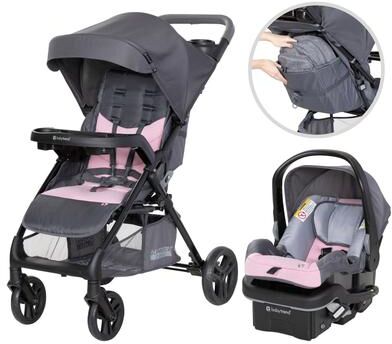
Baby Trend Passport Carriage Stroller, Ultra BlackWhether it's cozy or time for a stroll, Baby Trend's got you covered! The Passport Carriage Stroller offers a carriage mode option that allows your baby to have the comfort of an in-home carriage wherever you go.154,99 $*Shipping: 0,00 $Secure redirect to the provider
-
Women's Women's Snoopy Passport Bag Travel Crossbody Purse Woodstock Passport Bag Gray by Peanuts in Gray (Size ONE SIZE)This officially licensed Peanuts Snoopy crossbody bag features a playful all-over print of Snoopy and Woodstock on a durable grey fabric, making it an essential travel purse for any fan. The compact and lightweight design functions perfectly as a...24,00 $*Shipping: 0,00 $Secure redirect to the provider
-
WD My Passport 1TB Portable Hard Drive - BlackWestern Digital My Passport 1TB portable external hard drive, 2.5-inch, USB 3.2 Gen 1 (USB 3.0) with a USB-A cable. Includes WD Backup software and 256-bit AES hardware encryption with password protection. Black.134,49 £*Shipping: 0,00 £Secure redirect to the provider
-
What is passive immunization?
Passive immunization is a method of providing temporary immunity to a person by administering pre-formed antibodies rather than stimulating the individual's immune system to produce its own antibodies. This can be done by injecting antibodies obtained from either human or animal sources, or through the use of monoclonal antibodies. Passive immunization is often used for immediate protection against specific pathogens, such as in cases of exposure to a virus or toxin, or for individuals who are unable to mount an immune response on their own. **
-
What is the basic immunization?
Basic immunization refers to a series of vaccines that are recommended for all individuals to protect them from various infectious diseases. These vaccines are typically given during childhood and provide immunity against diseases such as measles, polio, diphtheria, tetanus, pertussis, and hepatitis B. Basic immunization schedules may vary slightly from country to country, but they generally include a series of doses given at specific ages to ensure optimal protection. It is important to follow the recommended immunization schedule to protect both individuals and communities from preventable diseases. **
-
What is passive immunization through vaccinations?
Passive immunization through vaccinations involves the administration of pre-formed antibodies to provide immediate protection against a specific pathogen. This differs from active immunization, where the body produces its own antibodies in response to a vaccine. Passive immunization is typically used in situations where immediate protection is needed, such as in the case of exposure to a deadly virus or for individuals with compromised immune systems. While passive immunization provides immediate protection, it is temporary and does not confer long-lasting immunity like active immunization. **
-
Can you briefly explain active immunization?
Active immunization is a process by which a person's immune system is stimulated to produce an immune response against a specific pathogen. This is typically achieved through the administration of a vaccine containing either weakened or inactivated forms of the pathogen or its antigens. The immune system then recognizes these antigens as foreign and produces antibodies to target and eliminate the pathogen if the person is exposed to it in the future. Active immunization results in the development of immunological memory, providing long-lasting protection against the targeted pathogen. **
Similar search terms for Immunization
-
WD My Passport 2TB Portable Hard Drive - BlackAbout this productThe My Passport drive is trusted, portable storage that gives you the confidence and freedom to drive forward in life. With a new, stylish design that fits in the palm of your hand, there's space to store, organise, and share your photos, videos, music, and documents. Perfectly paired with WD Backup software & password protection, the My Passport drive helps keep your digital life's contents safe. There's no telling what's ahead in your own journey. That's why WD builds drives150,99 £*Shipping: 0,00 £Secure redirect to the provider
-
WD My Passport 6TB Portable Hard Drive - BlackThe WD My Passport 6TB (WDBR9S0060BBK-WESN) is a portable external hard drive in black. It connects over USB 3.2 Gen 1 (5Gbps) using a Micro-B port and is supplied with a USB cable. The drive supports password protection with 256-bit AES hardware encryption and comes with WD backup software. It is formatted exFAT for use with Windows and Mac computers.268,49 £*Shipping: 0,00 £Secure redirect to the provider
-
WD My Passport Portable External SSD - 1TB, Space GreyThe WD My Passport portable SSD is a 1 TB external NVMe solid state drive in a space grey metal casing. It connects over USB-C (USB 3.2 Gen 2, up to 10 Gbps) with read speeds of up to 1,050 MB/s and write speeds of up to 1,000 MB/s.256-bit AES hardware encryption with password protectionShock, vibration and drop resistantSupplied with a USB-C to USB-C cable and a USB-C to USB-A adapter5-year limited manufacturer warranty212,99 £*Shipping: 0,00 £Secure redirect to the provider
-
What is active and passive immunization?
Active immunization involves introducing a weakened or inactive form of a pathogen into the body to stimulate the immune system to produce antibodies and create immunity against the pathogen. This can be achieved through vaccines. Passive immunization, on the other hand, involves the direct transfer of pre-formed antibodies to an individual, providing immediate protection against a specific pathogen. This can be done through the administration of antibodies obtained from either human or animal sources. Both active and passive immunization are important strategies in preventing and treating infectious diseases. **
-
At what point is passive immunization useful?
Passive immunization is useful when an individual is at high risk of developing a particular infection or disease, such as after exposure to a pathogen or in cases where active immunization is not possible. It provides immediate protection by introducing pre-formed antibodies into the body, offering temporary immunity. Passive immunization is also beneficial for individuals with weakened immune systems who may not respond well to vaccines. Overall, passive immunization is a valuable tool in preventing and treating certain infectious diseases. **
-
What is the basic immunization for tetanus?
The basic immunization for tetanus consists of a series of five doses of the tetanus vaccine. The first three doses are usually given in infancy, at 2, 4, and 6 months of age, followed by a booster at 15-18 months and another at 4-6 years of age. After completing the primary series, a booster dose is recommended every 10 years to maintain immunity. This vaccination schedule helps to ensure long-term protection against tetanus, a potentially serious bacterial infection. **
-
What is the basic immunization for horses?
The basic immunization for horses includes vaccinations for diseases such as tetanus, Eastern and Western equine encephalomyelitis, West Nile virus, and rabies. These vaccinations help protect horses from potentially deadly diseases and are an important part of their overall health care. It is important to work with a veterinarian to develop a vaccination schedule that is appropriate for the individual horse based on its age, health status, and risk of exposure to specific diseases. **
* All prices are inclusive of VAT and, if applicable, plus shipping costs. The offer information is based on the details provided by the respective shop and is updated through automated processes. Real-time updates do not occur, so deviations can occur in individual cases. ** Note: Parts of this content were created by AI.