Buy cetatenie-primesc.eu ?
We are moving the project
cetatenie-primesc.eu .
Are you interested in purchasing the domain
cetatenie-primesc.eu ?
domain@kv-gmbh.de · 0541-91531010
Buy cetatenie-primesc.eu ?
What types of symmetry are there: point symmetry, axis symmetry, or no symmetry?
There are three types of symmetry: point symmetry, axis symmetry, and no symmetry. Point symmetry occurs when an object can be rotated 180 degrees around a central point and still look the same. Axis symmetry, also known as reflection symmetry, occurs when an object can be reflected across a line and still look the same. No symmetry means that the object does not have any regular repeating pattern or axis of reflection. **
What is the difference between axis symmetry, axis of symmetry, rotational symmetry, and point symmetry?
Axis symmetry refers to the property of a shape being symmetrical with respect to an axis, meaning that if the shape is folded along the axis, the two halves will coincide. The axis of symmetry is the line along which the shape is symmetrical. Rotational symmetry refers to the property of a shape being able to be rotated by a certain angle and still look the same. Point symmetry refers to the property of a shape being symmetrical with respect to a central point, meaning that if the shape is rotated 180 degrees around the point, it will look the same. **


Similar search terms for Nourison-Symmetry-Textured-Area
Top-Angebote
Products related to Nourison-Symmetry-Textured-Area:
-
Nourison Vail Textured Rustic Farmhouse Area RugTextural appeal in a hand-tufted, loop pile area rugBold graphic design perfect for contemporary and casual décorSoft and durable, ideal for living room, bedroom, dining room, family room, home officeDue to the detailed construction of our rugs, both…100,03 $*Shipping: 0,00 $Secure redirect to the provider
-
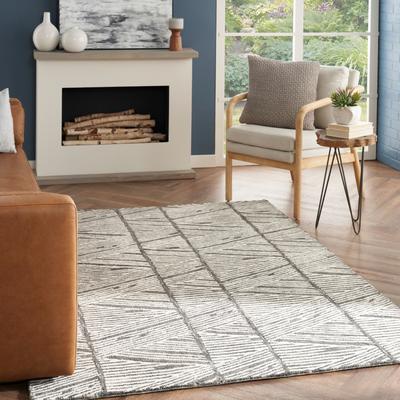
Nourison Vail Geometric Textured Wool Area RugBring unique style and charm to your space with this stunning area rug. The rug is crafted from soft wool, hand-tufted by artisans and finished with serged edges to create a rich, fascinating texture.443,63 $*Shipping: 0,00 $Secure redirect to the provider


-
What are the similarities between axial symmetry and point symmetry?
Both axial symmetry and point symmetry involve the concept of symmetry in geometric shapes. In axial symmetry, an object is symmetrical if it can be divided into two equal halves by a line of symmetry. Similarly, in point symmetry, an object is symmetrical if it looks the same after being rotated 180 degrees around a central point. Both types of symmetry result in balanced and visually appealing shapes. **
-
What is the difference between point symmetry and rotational symmetry?
Point symmetry occurs when a figure looks the same after being rotated 180 degrees around a central point, while rotational symmetry occurs when a figure looks the same after being rotated a certain angle around a central point. In other words, point symmetry requires a 180-degree rotation to look the same, while rotational symmetry can occur with rotations of different angles. Additionally, point symmetry is a specific type of rotational symmetry, as it is a rotation of 180 degrees. **
-
What is the difference between axis symmetry and point symmetry?
Axis symmetry refers to a shape or object being symmetrical with respect to an axis, meaning that if you were to fold the shape along the axis, the two halves would perfectly overlap. Point symmetry, on the other hand, refers to a shape or object being symmetrical with respect to a single point, meaning that if you were to rotate the shape 180 degrees around that point, it would look the same. In essence, axis symmetry involves reflection across a line, while point symmetry involves rotation around a point. **
-
Which option is better: textured wallpaper or textured paint?
The choice between textured wallpaper and textured paint ultimately depends on personal preference and the specific needs of the space. Textured wallpaper can add depth and dimension to a room, but it may be more difficult to install and remove compared to textured paint. Textured paint, on the other hand, is easier to apply and can be customized to achieve different textures and effects. Consider factors such as maintenance, cost, and desired aesthetic when deciding between the two options. **


Which option do you prefer, textured plaster or textured wallpaper?
I prefer textured plaster over textured wallpaper. Textured plaster provides a more authentic and natural look, as it is applied directly to the wall and can be customized to suit the specific design aesthetic. Additionally, textured plaster is more durable and long-lasting compared to textured wallpaper, which can peel or tear over time. Overall, I find textured plaster to be a more versatile and visually appealing option for adding texture to a space. **
How can you apply textured plaster on a textured wallpaper?
To apply textured plaster on a textured wallpaper, you will first need to prepare the wallpaper by cleaning it thoroughly and allowing it to dry completely. Then, apply a primer to the wallpaper to create a smooth surface for the textured plaster to adhere to. Once the primer is dry, you can apply the textured plaster using a trowel or a putty knife, working in small sections to ensure even coverage. After the plaster has been applied, you can use a textured roller or a brush to create the desired texture. Allow the plaster to dry completely before applying any paint or sealant. **
Top-Angebote
Products related to Nourison-Symmetry-Textured-Area:
-
Nourison Graphic Illusions Abstract Textured Area RugThe alluring boldness of this rug's design is bound to leave a tantalizing impression in your space. An exciting high-low texture and loop pile construction are paired with a vivid color palette for distinctive flair and wonderful depth.219,72 $*Shipping: 0,00 $Secure redirect to the provider
-
Nourison Vail Textured Rustic Farmhouse Area RugTextural appeal in a hand-tufted, loop pile area rugBold graphic design perfect for contemporary and casual décorSoft and durable, ideal for living room, bedroom, dining room, family room, home officeDue to the detailed construction of our rugs, both…100,03 $*Shipping: 0,00 $Secure redirect to the provider
-
Nourison Vail Geometric Textured Wool Area RugBring unique style and charm to your space with this stunning area rug. The rug is crafted from soft wool, hand-tufted by artisans and finished with serged edges to create a rich, fascinating texture.443,63 $*Shipping: 0,00 $Secure redirect to the provider
-
What types of symmetry are there: point symmetry, axis symmetry, or no symmetry?
There are three types of symmetry: point symmetry, axis symmetry, and no symmetry. Point symmetry occurs when an object can be rotated 180 degrees around a central point and still look the same. Axis symmetry, also known as reflection symmetry, occurs when an object can be reflected across a line and still look the same. No symmetry means that the object does not have any regular repeating pattern or axis of reflection. **
-
What is the difference between axis symmetry, axis of symmetry, rotational symmetry, and point symmetry?
Axis symmetry refers to the property of a shape being symmetrical with respect to an axis, meaning that if the shape is folded along the axis, the two halves will coincide. The axis of symmetry is the line along which the shape is symmetrical. Rotational symmetry refers to the property of a shape being able to be rotated by a certain angle and still look the same. Point symmetry refers to the property of a shape being symmetrical with respect to a central point, meaning that if the shape is rotated 180 degrees around the point, it will look the same. **
-
What are the similarities between axial symmetry and point symmetry?
Both axial symmetry and point symmetry involve the concept of symmetry in geometric shapes. In axial symmetry, an object is symmetrical if it can be divided into two equal halves by a line of symmetry. Similarly, in point symmetry, an object is symmetrical if it looks the same after being rotated 180 degrees around a central point. Both types of symmetry result in balanced and visually appealing shapes. **
-
What is the difference between point symmetry and rotational symmetry?
Point symmetry occurs when a figure looks the same after being rotated 180 degrees around a central point, while rotational symmetry occurs when a figure looks the same after being rotated a certain angle around a central point. In other words, point symmetry requires a 180-degree rotation to look the same, while rotational symmetry can occur with rotations of different angles. Additionally, point symmetry is a specific type of rotational symmetry, as it is a rotation of 180 degrees. **
Similar search terms for Nourison-Symmetry-Textured-Area
-
What is the difference between axis symmetry and point symmetry?
Axis symmetry refers to a shape or object being symmetrical with respect to an axis, meaning that if you were to fold the shape along the axis, the two halves would perfectly overlap. Point symmetry, on the other hand, refers to a shape or object being symmetrical with respect to a single point, meaning that if you were to rotate the shape 180 degrees around that point, it would look the same. In essence, axis symmetry involves reflection across a line, while point symmetry involves rotation around a point. **
-
Which option is better: textured wallpaper or textured paint?
The choice between textured wallpaper and textured paint ultimately depends on personal preference and the specific needs of the space. Textured wallpaper can add depth and dimension to a room, but it may be more difficult to install and remove compared to textured paint. Textured paint, on the other hand, is easier to apply and can be customized to achieve different textures and effects. Consider factors such as maintenance, cost, and desired aesthetic when deciding between the two options. **
-
Which option do you prefer, textured plaster or textured wallpaper?
I prefer textured plaster over textured wallpaper. Textured plaster provides a more authentic and natural look, as it is applied directly to the wall and can be customized to suit the specific design aesthetic. Additionally, textured plaster is more durable and long-lasting compared to textured wallpaper, which can peel or tear over time. Overall, I find textured plaster to be a more versatile and visually appealing option for adding texture to a space. **
-
How can you apply textured plaster on a textured wallpaper?
To apply textured plaster on a textured wallpaper, you will first need to prepare the wallpaper by cleaning it thoroughly and allowing it to dry completely. Then, apply a primer to the wallpaper to create a smooth surface for the textured plaster to adhere to. Once the primer is dry, you can apply the textured plaster using a trowel or a putty knife, working in small sections to ensure even coverage. After the plaster has been applied, you can use a textured roller or a brush to create the desired texture. Allow the plaster to dry completely before applying any paint or sealant. **
* All prices are inclusive of VAT and, if applicable, plus shipping costs. The offer information is based on the details provided by the respective shop and is updated through automated processes. Real-time updates do not occur, so deviations can occur in individual cases. ** Note: Parts of this content were created by AI.